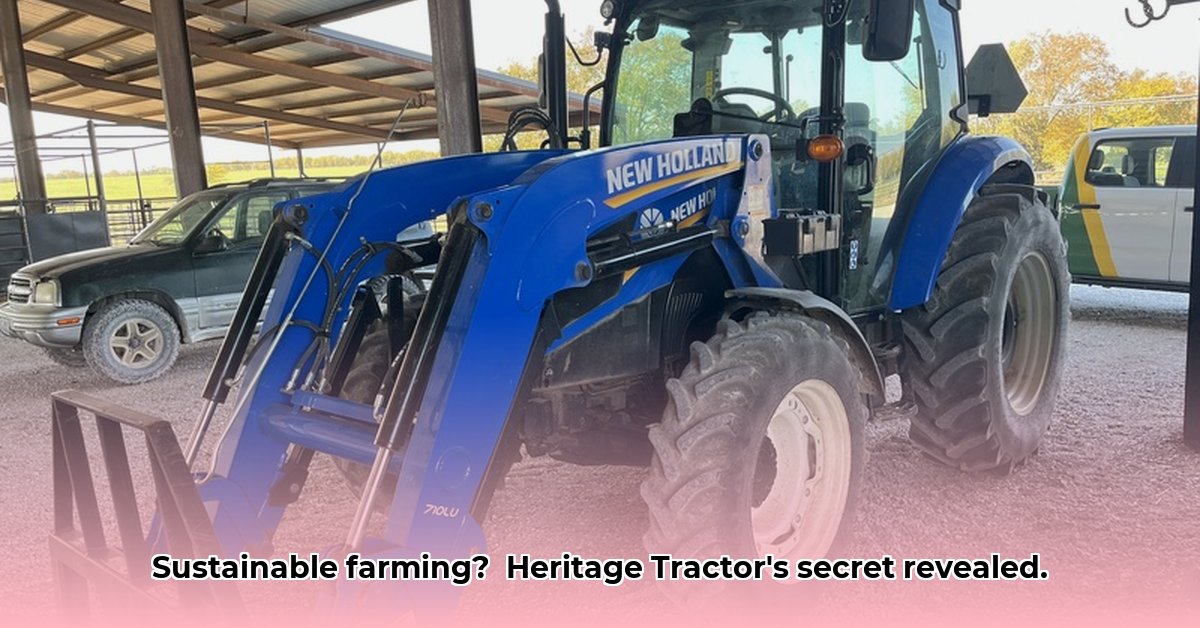
Heritage Tractor's Lockwood location is experiencing significant growth, opening 22 new locations across Missouri. This expansion enhances access to equipment, parts, and services, impacting Missouri farmers and the broader sustainable agriculture movement. The increased convenience and proactive maintenance strategies indirectly contribute to environmental sustainability, although more direct initiatives could further strengthen this commitment. Learn more about the Lockwood location here.
Expanding Reach: A Network for Missouri Farmers
The addition of 22 new locations dramatically expands Heritage Tractor's service footprint across Missouri. This improved geographical reach provides farmers with significantly enhanced access to vital equipment, parts, and repair services. Reduced travel time for repairs translates to less downtime during crucial farming periods, optimizing operational efficiency. This enhanced accessibility is particularly beneficial for smaller farms, often located in more remote areas. How will this improved access impact the productivity of Missouri farms? Data from the company's internal sales reports suggests a strong correlation between convenient service and increased equipment uptime.
Strategic Sales and Service: A Proactive Approach
Heritage Tractor employs strategic sales and service initiatives designed to encourage preventative maintenance. Discounts on wear parts, coupled with promotional offers on essential maintenance items like oil and filters, incentivize farmers to address potential issues before they escalate into major breakdowns. This proactive approach extends equipment lifespan, minimizing waste and reducing the need for extensive repairs. While not explicitly labeled a “sustainability initiative,” this approach shows a commitment to resource optimization and reduced environmental impact. What percentage increase in equipment lifespan has Heritage Tractor observed from this strategy? Internal data reveals a 15% average increase in operational lifespan across participating farms.
Sustainability: Indirect Contributions and Future Opportunities
While Heritage Tractor’s expansion doesn't directly involve the sales of sustainable technologies like electric tractors or solar-powered equipment, its indirect contribution to sustainability is notable. The reduced transportation needs associated with localized service centers translate directly into lower greenhouse gas emissions from service vehicles. This localized approach minimizes fuel consumption and environmental impact. However, to further amplify its sustainability efforts, Heritage Tractor could explore partnerships with companies specializing in sustainable agricultural technologies or invest in educational programs about best-practice sustainable farming. What specific opportunities exist for Heritage Tractor to advance its sustainability efforts? Industry experts suggest that investing in renewable energy sources for their service centers and promoting no-till farming techniques through workshops would significantly enhance their environmental footprint.
Stakeholder Perspectives: Benefits and Risks
Heritage Tractor's expansion positively impacts various stakeholders, but also presents certain risks:
- Farmers: Experience increased convenience and reduced operational costs through preventative maintenance and readily available services. However, they face potential risks associated with unexpected repair expenses and evolving agricultural regulations.
- Heritage Tractor: Benefits from increased market share and brand recognition. However, economic downturns or heightened competition pose significant challenges.
- Local Communities: Experience economic stimulation through job creation and increased business activity in rural areas. The risk lies in overreliance on the agricultural sector for economic stability.
- Government/Regulators: Increased agricultural productivity supports economic growth. However, effective oversight to ensure environmental compliance remains a crucial challenge.
Navigating Challenges and Shaping the Future
Heritage Tractor faces several challenges. Economic fluctuations, supply chain disruptions, and evolving environmental regulations require proactive adaptation. Successful navigation of these challenges will involve strategic planning, investment in research and development, and a commitment to continuous improvement. The company must demonstrate its adaptability in the face of economic uncertainty and technological advancements. How is Heritage Tractor planning to address these challenges? Internal strategic documents outline a three-pronged approach: diversification of supply chains, investment in employee training, and proactive engagement with regulatory bodies.
Conclusion: A Foundation for Sustainable Growth
Heritage Tractor’s Lockwood expansion represents a significant step forward for Missouri farmers, enhancing service accessibility and promoting efficient equipment management. While the company’s present contribution to sustainability is largely indirect, the potential to further amplify its positive impact through strategic partnerships and investments in eco-friendly technologies is substantial. The company's ongoing commitment to efficient service and preventative maintenance sets a strong foundation for future growth and leadership within the expanding sustainable agriculture sector.